PFAS in Baby Sleep Products: What Every Parent Needs to Know About Crib Mattresses, Waterproof Pads, and Changing Pads
Learn about PFAS in PFAS-free baby sleep products: crib mattresses, waterproof mattress pads, changing pads and find safe, PFAS-free alternatives for your family.
PFAS in Baby Sleep Products: What Every Parent Needs to Know About Crib Mattresses, Waterproof Pads, and Changing Pads
If you’ve ever patted yourself on the back for choosing an organic onesie or a BPA-free bottle, first of all, good for you. Second, I have some news about where your baby spends up to 14 hours a day. Crib mattresses, waterproof mattress pads, and changing pads are common hiding spots for PFAS, the “forever chemicals” that researchers keep linking to serious health effects. The good news is that once you know what to look for, swapping to safer options is totally doable.
What’s Inside
- What PFAS Are Doing in Your Baby’s Sleep Space
- Why Babies Face Extra Risk
- How to Spot a PFAS-Free Product
- Our Top PFAS-Free Picks
What PFAS Are Doing in Your Baby’s Sleep Space
PFAS stands for per- and polyfluoroalkyl substances, a family of thousands of human-made chemicals that have been used since the 1940s to make things resist water, stains, and grease. They bond to surfaces almost impossibly well, which is exactly why manufacturers love them for anything labeled “waterproof” or “stain-resistant.” And yes, that includes the very mattress pad sitting under your sleeping baby right now.
Here is the core problem: because PFAS are added during manufacturing as a treatment to fabrics and foam layers, they rarely show up on a label. You will not see “PFAS” listed next to the fill material. A product can be legitimately waterproof and genuinely PFAS-free at the same time, using safer alternatives like food-grade polyethylene, but you have to dig a little to find out which kind you have.
Independent testing has confirmed this is not a theoretical worry. When Toxic-Free Future tested mattress pads and protectors, four out of seven came back with fluorine above the screening level, indicating PFAS presence. Some contained a mix of older PFAS compounds that are already banned in the European Union and newer ones. A crib mattress cover was among items that flagged above screening levels in separate retail testing. Perhaps most unsettling: manufacturers have been using a mixture of PFAS that includes compounds phased out by major U.S. manufacturers, yet 74% of PFAS-containing items tested positive for those older compounds anyway.
The short version: “waterproof” without any explanation of how is a red flag worth taking seriously.
Why Babies Face Extra Risk
Babies are not just small adults when it comes to chemical exposure. They are in a whole different category of vulnerability, and the crib environment is ground zero for that exposure.
Consider the math: babies sleep 12 to 14 hours a day, and their faces are just inches above the mattress surface the entire time. They also inhale more air relative to their body weight than adults do, which means any chemicals off-gassing from bedding materials get concentrated in their tiny lungs at a higher rate. It is the biological equivalent of being stuck in a closed car with an air freshener, except the chemicals are invisible and the car ride lasts for years.
The documented health risks from PFAS exposure in infants and children, whether from sleep products, food packaging, or personal care items, include lowered immunity, reduced response to vaccines, heightened risk of allergies and asthma, disrupted growth and development, effects on learning and behavior, and lowered fertility. A 2025 narrative review in Current Environmental Health Reports found that prenatal and early childhood PFAS exposure may inhibit cognitive, motor, and language development, and is linked to increases in hyperactivity and inattention.
Here is one finding that stopped me cold as a mom: a prospective cohort study found that prenatal PFAS exposure may increase the risk of sleep disturbance in infants. Specifically, certain PFAS compounds were associated with more than twice the risk of parent-reported severe sleep problems in six-month-olds. One compound was linked to increased snoring in one-year-olds. So the chemicals in the sleep products could literally be disrupting your baby’s sleep. That is a forever-chemical-sized sticky situation if I have ever heard one.
How to Spot a PFAS-Free Product
Shopping for safe sleep products does not require a chemistry degree, but it does require a healthy skepticism of marketing language. Here is a quick checklist to run through before you buy.
Watch for red-flag claims: Any product that says “waterproof,” “water-resistant,” or “stain-resistant” without explaining the mechanism deserves a closer look. Safe waterproofing does exist and uses materials like food-grade polyethylene or wool, so ask or look for certification.
Look for third-party certifications: GOTS (Global Organic Textile Standard), GOLS (Global Organic Latex Standard), and GREENGUARD Gold are meaningful certifications that have chemical limits built in. Some brands go further and get tested specifically for PFAS and publish those results.
Check for fluorine disclosure: Some brands will state explicitly that their products are free from fluorinated chemicals. That is the language you want.
Read the actual product description, not just the front-of-box claims: Ingredients and materials are where the truth lives.
Our Top PFAS-Free Picks
Naturepedic Organic Waterproof Crib Mattress Pad, Skin Friendly

Naturepedic uses a food-grade polyethylene waterproof barrier instead of fluorinated chemicals, making this a certified-organic option that does not sacrifice protection for safety. It is a great fit for parents who want third-party verification and a snug, fitted design for standard crib mattresses.
YIVEKO Baby Waterproof Bed Pad Washable Mattress Pad
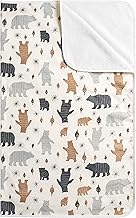
This washable, reusable pad provides a practical waterproof layer without relying on chemical treatments, making it a budget-friendly workhorse for daily diaper changes and overnight protection. It suits parents who want a versatile pad that can move between the crib, changing table, and travel bag.
For more on what to look for across all nursery items, see our guide to everyday baby products including diapers, wipes, and car seats.
You are already doing so much right by your little one, and adding “check sleep products for PFAS” to the list is one more step that genuinely matters. The PFAS Free Life database is my go-to resource when I want to quickly check a brand or find vetted alternatives across every baby product category. Bookmark it, share it with your mom group, and sleep a little easier knowing you have done your homework.