Does My Rice Cooker Release PFAS or Microplastics?
Learn if your rice cooker releases PFAS, forever chemicals, or microplastics and how to choose safer options.
Does My Rice Cooker Release PFAS?
The Hidden Concerns Behind Your Everyday Rice Cooker
If you’ve ever found yourself asking, does my rice cooker release PFAS, forever chemicals, or microplastics?, you’re not alone. More and more people are waking up to the potential health risks linked with synthetic chemicals lurking in common kitchen appliances. PFAS—per- and polyfluoroalkyl substances—are often called “forever chemicals” because they stubbornly persist in our environment and bodies, and they’ve been tied to various health problems.
It’s smart to understand whether your rice cooker might be contributing to your exposure. In this post, we’ll dive into whether rice cookers release PFAS, forever chemicals, or microplastics—and what you can do to choose safer options.
What Are PFAS and Forever Chemicals in Cookware?
PFAS are man-made chemicals prized for their resistance to heat, water, and oil. Because they break down so slowly, they earn the nickname “forever chemicals.” They’re commonly found in non-stick coatings like PTFE (polytetrafluoroethylene).
There’s growing concern that these chemicals can migrate from cookware surfaces into your food during cooking, potentially leading to ingestion. Since many rice cookers use non-stick inner pots, it’s natural to wonder: does my rice cooker release PFAS or other forever chemicals?
Does My Rice Cooker Release PFAS or Forever Chemicals?
The short answer depends on what materials make up your rice cooker’s inner pot. Common options include ceramic, stainless steel, and traditional non-stick coatings.
Take popular models like the COSORI Rice Cooker, which feature non-stick ceramic inner pots. Unlike PTFE-based coatings, ceramic coatings usually don’t contain PFAS and are viewed as safer alternatives. Similarly, Aroma’s CoreCoat™ rice cookers use non-stick ceramic coatings that ease worries about forever chemicals.
However, if your rice cooker uses traditional non-stick coatings, there could be some PFAS presence. That said, many manufacturers are now shifting toward PFAS-free coatings in response to regulations and consumer demand.
Experts agree that well-made ceramic or stainless steel pots without PTFE-based coatings are unlikely sources of PFAS exposure. If your cooker falls into this category, you’re generally in the clear.
For more info on PFAS-free products and safe cookware, check out the PFAS Free Life Database.
Does My Rice Cooker Release Microplastics During Cooking?
Microplastics—tiny plastic particles under 5 millimeters—are gaining attention due to their accumulation in the environment and potential health impacts when ingested over time. Some wonder if rice cookers might release microplastics through wear and tear of plastic components or non-stick surfaces.
Rice cookers with stainless steel inner pots—like the IMUSA 10cup Deluxe Stainless Steel Electric Rice Cooker with Steam Tray—or those coated with durable ceramics such as Aroma CoreCoat™ minimize microplastic risks. These materials don’t degrade easily into microplastic particles like some plastics or inferior coatings might.
While direct scientific studies measuring microplastic release from rice cookers are limited at this time, opting for stainless steel or ceramic-coated pots is a smart move to reduce potential exposure.
How Can I Identify Rice Cookers That Don’t Release PFAS or Microplastics?
Wondering does my rice cooker release PFAS or microplastics? Here are some practical tips:
- Seek out ceramic non-stick coatings that explicitly state they are PFAS-free.
- Choose stainless steel inner pots, which avoid synthetic coatings altogether.
- Confirm any plastic parts are BPA-free and phthalate-free.
Here are some highly rated rice cookers known for safer materials:
-

Zojirushi Neuro Fuzzy 10-Cup Rice Cooker and Warmer (Premium White) – praised for its stainless steel pot options. -
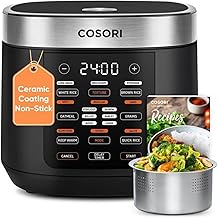
COSORI Rice Cooker 10 Cup with Ceramic Inner Pot – popular for its PFAS-free ceramic coating. -
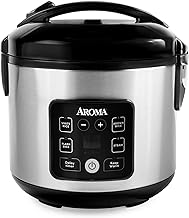
Aroma CoreCoat™ Digital Rice Cooker – features a PFAS-free ceramic coating. -
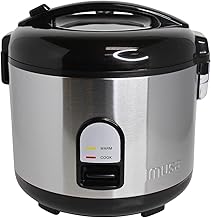
IMUSA Stainless Steel Rice Cooker – built with durable stainless steel inner pots.
Before buying, always double-check product specs or manufacturer info for chemical safety certifications to ensure your rice cooker doesn’t release PFAS or harmful microplastics.
Conclusion: Choose Smarter to Protect Your Health
So yes—many people ask does my rice cooker release PFAS, forever chemicals, or microplastics? The encouraging news is that lots of rice cookers today use safer ceramic or stainless steel components that minimize these risks. While some traditional non-stick coatings might still contain concerning chemicals, consumer demand is pushing manufacturers toward safer alternatives.
If you want to limit exposure to forever chemicals and microplastics without sacrificing perfectly cooked rice, look for models with ceramic coatings or stainless steel inner pots. Brands like COSORI and Zojirushi offer excellent options built with these safer materials.
By making informed choices about your kitchen appliances, you can protect both your health and your family’s wellbeing.
Additional Resources and Links
-
Explore safer rice cookers on Amazon:
COSORI Ceramic Rice Cooker |
Aroma CoreCoat™ |
Zojirushi Neuro Fuzzy -
Learn more about PFAS health risks: Environmental Protection Agency on PFAS
-
For detailed info on PFAS-free products, visit the PFAS Free Life Database
-
Subscribe for kitchen safety updates and tips on avoiding harmful chemicals in cookware.