The Complete PFAS-Free Products List for Your Home
A complete PFAS-free products list for your home, room by room. The swaps, the science, and the safest picks for your kitchen, bathroom, and laundry.
The Complete PFAS-Free Products List for Your Home
If you have ever fallen down the PFAS rabbit hole, you know the feeling: one minute you are reading about nonstick pans, the next you are eyeing your toilet paper, your watch band, and your kid’s snack with deep suspicion. Take a breath. You do not have to replace your whole house this weekend. This is your room-by-room PFAS-free products list, the swaps that matter most, and the science in plain English, so you can make a few smart changes and move on with your life.
What’s Inside
- How to use this list
- The kitchen
- Food and snacks
- The bathroom
- Personal and wearable
- The laundry room
- Five swaps to start with today
How to use this list
You do not need to panic-buy everything at once. The smartest approach is to swap things as you replace them anyway, starting with the items that touch your food, your skin, and your kids most often. PFAS are the forever chemicals that build up in your body and the environment because they simply do not break down. The goal is not perfection; it is steadily lowering your household’s exposure. Bookmark this page, work through it room by room, and check the PFAS Free Life database when you want to compare specific products.
The kitchen
The kitchen is where most PFAS hide, because nonstick coatings and grease-resistant surfaces are everywhere. The big swaps: trade PTFE nonstick pans for ceramic, stainless steel, or cast iron, and switch disposable plastic for food-grade silicone and glass.
- Cookware: see why PTFE is a PFAS and what HexClad’s lawsuit taught us, then pick ceramic or stainless.
- Rice cooker: most have a PTFE-coated pot, so choose one of the best PFAS-free rice cookers with a stainless inner pot.
- Sous vide: cook in silicone, not film, and read do sous vide bags leach microplastics plus is sous vide bad for microplastics.
- Silicone: it is a safe plastic alternative, and whether silicone leaches microplastics explains the one caveat about heat.
- Baking: swap mystery non-stick paper for PFAS-free baking paper or a reusable silicone mat.
Food and snacks
Some PFAS exposure comes from packaging, not the food itself. The classic example is microwave popcorn.
- Popcorn: the bag is the problem, not the corn. See does Orville Redenbacher popcorn have PFAS and switch to one of the best non-toxic popcorn makers and air poppers.
The bathroom
The bathroom is full of everyday products that sit against sensitive skin, so a few swaps go a long way.
- Toilet paper: testing found markers in some brands, so read does Charmin have PFAS and does Cottonelle have PFAS, then choose verified unbleached bamboo.
- Water bottles: good news here, as does Owala have PFAS explains why stainless steel and Tritan bottles are a safe pick.
Personal and wearable
- Watch bands: some sport bands use fluoroelastomer, so see are Apple Watch bands toxic and switch to woven nylon or stainless steel.
- Period products: testing found PFAS markers in many pads, so read PFAS-free pads and choose certified organic cotton.
The laundry room
What you wash your clothes in ends up against your skin all day.
- Detergent: even “eco” sheets are not all clean, so see PFAS-free laundry detergent and pick fragrance-free, verified brands.
Five swaps to start with today
If you only do a handful of things this month, make them these. Each one is a high-contact, high-impact upgrade:
-
Stasher Silicone Reusable Storage Bags - Platinum food-grade silicone that replaces cling film and plastic bags across your whole kitchen.
-
Ranbomer Stainless Steel Frying Pan - Pure stainless steel with no nonstick coating, so there is simply nothing to leach.
-
Owala FreeSip Insulated Stainless Steel Water Bottle - A BPA-free, lead-free, PFAS-free bottle for everyday hydration you do not have to second-guess.
-
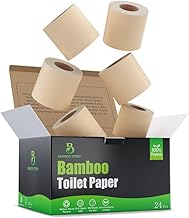
Bamboo Story Unbleached Bamboo Toilet Paper - Unbleached, chlorine-free bamboo tissue for a bathroom staple your family uses every day.
-
Marlow 100% Organic Cotton Pads - Certified organic cotton, free from plastic, fragrance, and chlorine bleaching.



Building a PFAS-free home is a marathon, not a sprint, and you are already doing the hard part by paying attention. Make a few of these swaps, lean on the PFAS Free Life database when you shop, and come back to this list whenever you are ready for the next change. Your future self, and your family, will thank you.
Frequently Asked Questions
What everyday products contain PFAS? PFAS commonly show up in nonstick cookware, grease-resistant food packaging like microwave popcorn bags, some toilet paper, certain watch bands, many period products, and some laundry products. Swapping to ceramic, stainless steel, glass, silicone, organic cotton, and unbleached paper lowers exposure.
Where should I start when going PFAS-free? Start with the items that touch your food, skin, and kids most often: cookware, food storage, water bottles, and personal-care products. You do not need to replace everything at once; swap as you go.
Are PFAS-free products more expensive? Not necessarily. Many swaps, like stainless steel pans, organic cotton pads, and bamboo toilet paper, are comparable in price, and reusable options like silicone bags and baking mats save money over time.
How do I know a product is really PFAS-free? Look for clear labeling, safe base materials (ceramic, stainless steel, glass, organic cotton), and brands that publish third-party or lab testing. The PFAS Free Life database is a helpful place to compare verified options.